
Polo Gloves
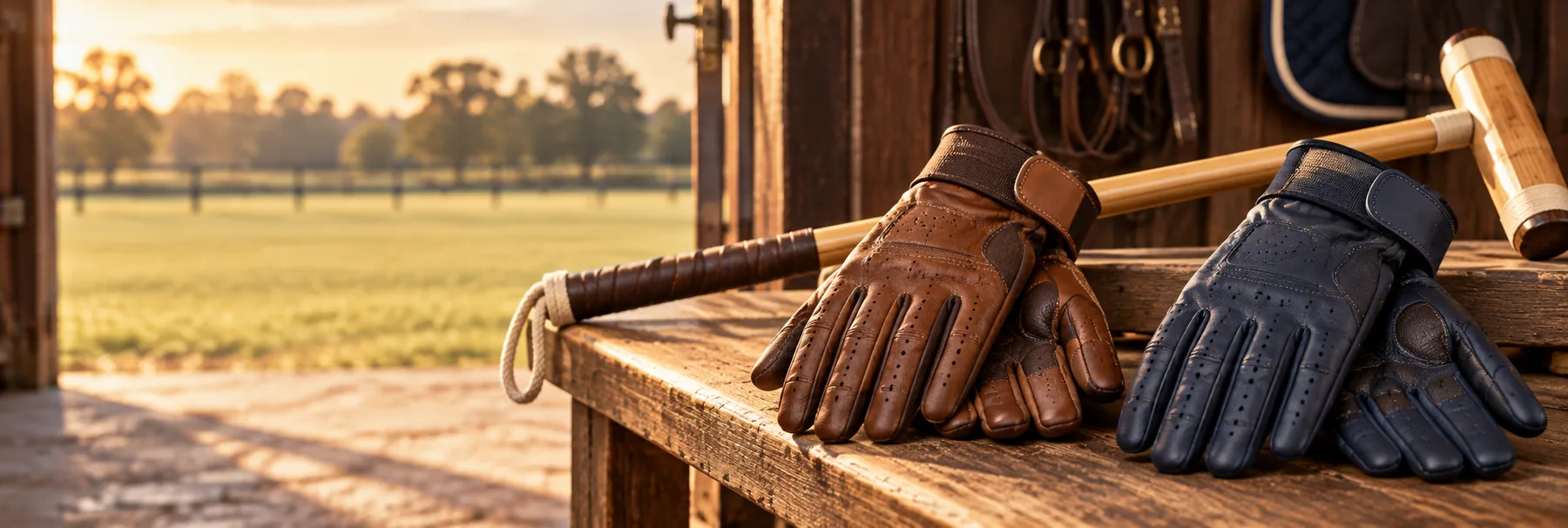
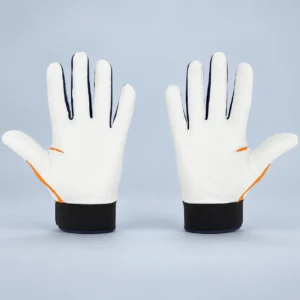
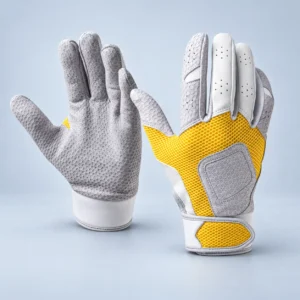
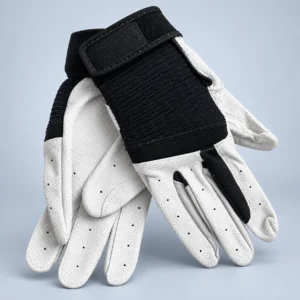
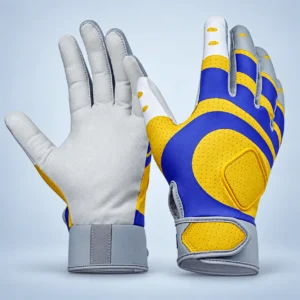
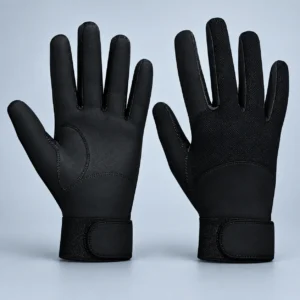
Find polo gloves made for reins, mallet control and long periods in the saddle. The collection includes leather and technical-material options with varied palm reinforcement, ventilation and cuff designs. Product-specific materials and features are stated without treating every model as identical.
Designed in USA • Handmade • Full Customization Available
Read the complete polo gloves buying guide
Leather and Performance Polo Riding Gloves
Choose among supple leather constructions, breathable mixed materials and reinforced palm areas where confirmed. A secure wrist closure can help stabilize the glove, while perforation or mesh panels may improve airflow depending on the model.
Choose Grip, Cuff and Fit
- Fit: fingers should reach the glove ends without excess material bunching at the palm.
- Grip: compare palm texture and reinforcement with the way you hold reins and mallet.
- Cuff: short and long cuffs change wrist coverage and closure placement.
Custom Polo Gloves
Full customization is available on selected models, subject to the listed size, color, material and finishing choices. Pair your gloves with a balanced polo mallet and browse polo riding boots for a coordinated player setup.
Polo Gloves FAQ
Should polo gloves fit tightly?
They should fit close enough to limit slipping while allowing comfortable finger movement. Use the product’s hand-measurement guidance when available.
How should leather polo gloves be cared for?
Follow the specific product instructions. In general, remove surface dirt gently, dry naturally away from direct heat and avoid treatments not approved for the stated leather.
Showing all 10 results


POLO EQUIPMENT BUYING GUIDE
How to Choose Polo Gloves for Grip and Fit
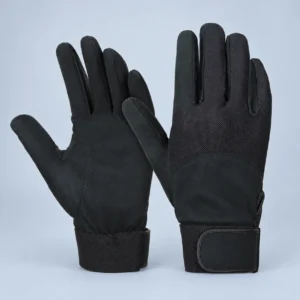
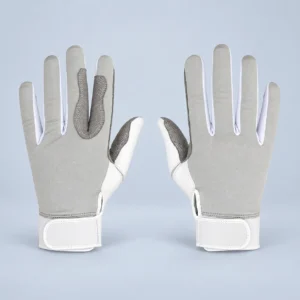
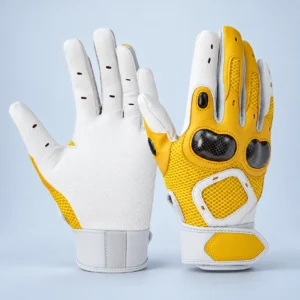
Polo gloves must manage reins, mallet grip and repeated hand movement. Compare palm material, reinforcement zones, finger construction, cuff security, ventilation and whether the listing is for a single glove or a pair.
A useful glove fit is close enough to prevent bunching but leaves normal finger movement and circulation. Hand circumference is a starting point; finger length, seam position and the product pattern also influence comfort and control.
Polo glove materials and construction
| Option | Useful when | Check before ordering |
|---|---|---|
| Leather palm | Natural feel and a traditional grip surface | Break-in, moisture care and product-specific leather |
| Technical or mesh panels | Ventilation and lower bulk | Reinforcement, stretch recovery and washing instructions |
| Reinforced grip zones | Extra material at repeated contact points | Seam position, flexibility and thickness around the hand |
Glove fit checklist
- Measure around the widest part of the hand without including the thumb.
- Check finger length so material does not fold over the fingertips.
- Close the cuff securely and confirm it does not interfere with wrist movement.
- Grip reins and a mallet to check bunching, seam pressure and control.
- Confirm whether the selected variation is a single hand or a pair.
Polo glove care
Follow the material-specific washing instructions on the product. Air dry gloves away from direct heat, reshape them while damp when appropriate, and do not use leather conditioner on technical fabrics. Replace gloves when holes, polished grip areas or failed closures reduce control.
Frequently Asked Questions About Polo Gloves
How do I measure my hand for polo gloves?
Measure the circumference around the widest part of the palm, excluding the thumb, then compare that measurement with the chart for the specific glove.
Are leather or technical polo gloves better?
The choice depends on feel, ventilation, weather and care preference. Compare the palm and reinforcement construction of the exact model rather than judging by one material name.
Are polo gloves sold individually or in pairs?
Both configurations exist. Confirm the product title, images, variation label and quantity details before ordering.
When should polo gloves be replaced?
Replace them when holes, split seams, worn grip material or an unreliable cuff affect secure handling of reins or the mallet.