
Polo Saddles
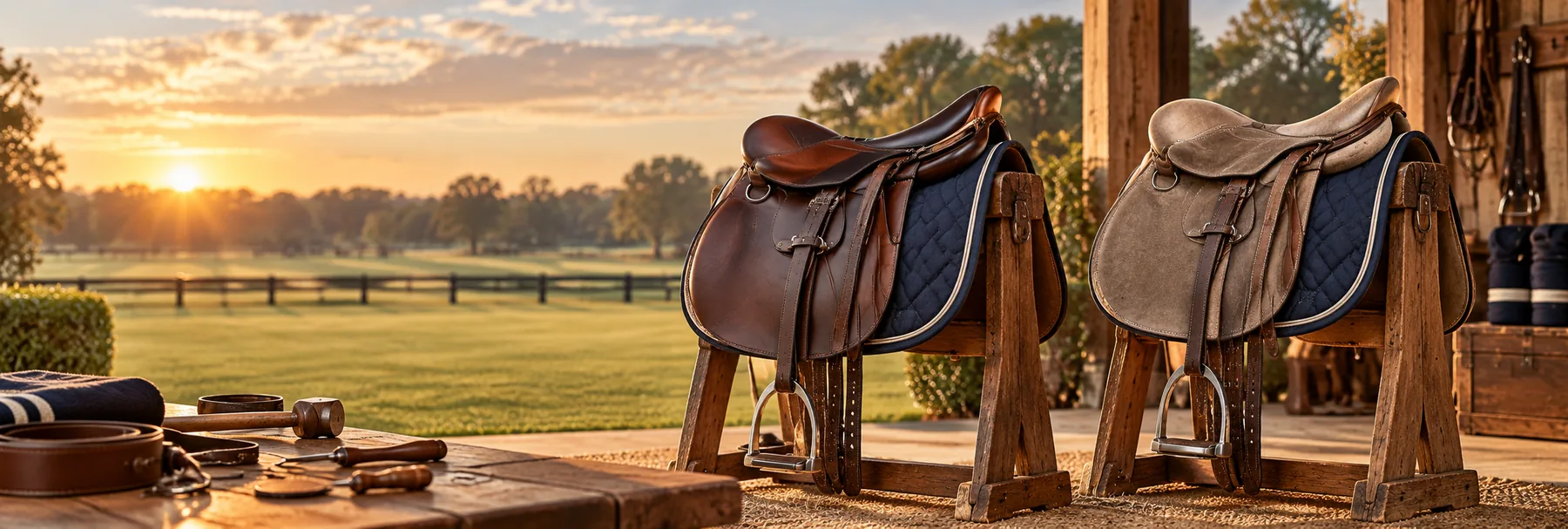
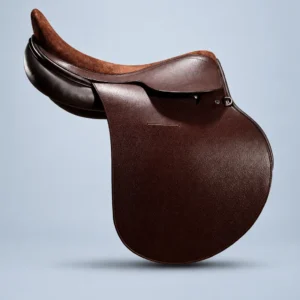
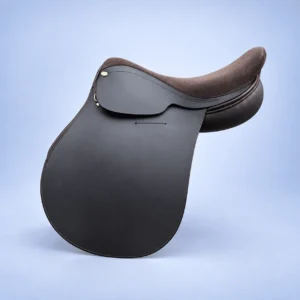
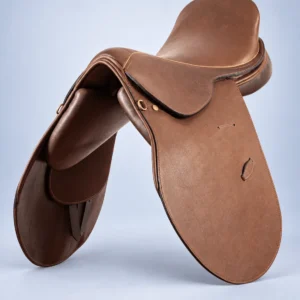
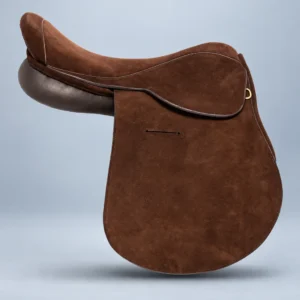
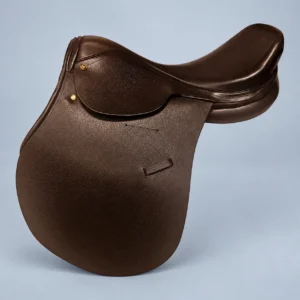
Explore polo saddles selected for close contact, balance and the practical requirements of the game. The collection includes leather, suede and mixed-material finishes across Argentine, English and American-inspired styles. Always match the saddle to both horse and rider with qualified fitting support.
Designed in USA • Handmade • Full Customization Available
Read the complete polo saddles buying guide
Leather and Suede Polo Saddles
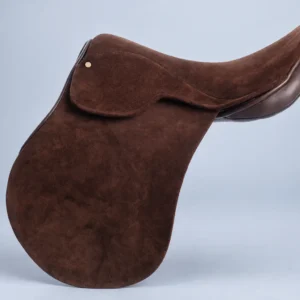
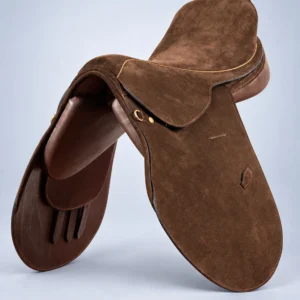
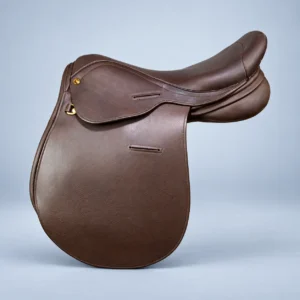
Leather offers a traditional smooth finish and straightforward conditioning routine. Suede provides a softer, textured contact surface but needs material-appropriate brushing and moisture care. Some models combine a suede seat with leather flaps. Review each product for its verified tree, panels, billets and included fittings.
Compare Saddle Style and Fit
- Seat and balance: use the stated seat size as a starting point, not a complete fitting decision.
- Horse fit: tree shape, panel contact and clearance must suit the individual horse.
- Materials: compare suede grip, leather finish and care requirements before selecting.
Custom Polo Saddles
Selected saddles can be configured for size, finish and other model-specific details. Full customization is available after the required measurements and options are confirmed. Complete your setup with polo mallets and polo riding boots.
Polo Saddles FAQ
Is suede or leather better for a polo saddle?
Neither is universally better. Choose by preferred feel, maintenance routine, budget and the construction of the specific saddle.
Do I still need a saddle fitter?
Yes. Online dimensions help narrow the choice, but they do not replace an in-person assessment of horse and rider fit.
Showing all 10 results


POLO EQUIPMENT BUYING GUIDE
Choosing a Polo Saddle for Horse and Rider
A polo saddle must support balance and freedom of movement without compromising the horse. Compare tree and panel shape, seat size, flap position, billet arrangement, weight and surface material rather than selecting from seat size alone.
Leather and suede change grip, appearance and care needs, but material does not replace correct fit. Final suitability should be assessed on the intended horse with the normal pad and girth, ideally with a qualified saddle fitter when fit is uncertain.
Leather, suede and mixed finishes
| Option | Useful when | Check before ordering |
|---|---|---|
| Smooth leather | Traditional finish and straightforward cleaning | Condition, surface grip and leather care requirements |
| Suede contact areas | Additional surface grip at the seat or flap | Brushing, moisture care and wear at high-contact points |
| Mixed or custom finish | Balancing grip, durability and visual preferences | Exact material locations and product-specific construction |
Polo saddle fit checklist
- Check tree and panel contact on the intended horse, not only on a saddle stand.
- Confirm wither, spine and shoulder clearance through normal movement.
- Match seat and flap proportions to the rider and riding position.
- Evaluate billets, girth alignment, pad choice and stability as one system.
- Recheck fit as the horse, workload, musculature or padding changes.
Polo saddle care and inspection
Wipe away sweat and dirt after use, dry naturally and follow the care method for each stated material. Inspect billets, stitching, panels, girth points and stirrup bars regularly. Suede areas usually benefit from gentle brushing, while smooth leather should be cleaned and conditioned without over-saturating it.
Frequently Asked Questions About Polo Saddles
Is suede better than leather for a polo saddle?
Neither is universally better. Suede can add surface grip, while smooth leather is often simpler to wipe clean. Fit, construction, intended use and care preferences should lead the decision.
Can one polo saddle fit every horse?
No saddle should be assumed to fit every horse. Back shape, condition, movement, padding and workload vary, so each horse and setup should be checked.
What measurements matter for the rider?
Seat size is only one factor. Flap length and position, rider leg, balance and the space available without being forced against the pommel or cantle also matter.
How often should saddle fit be reviewed?
Review it whenever the horse changes condition, the pad or girth changes, performance changes, or pressure and movement concerns appear. Routine professional checks are useful for active horses.