
Polo Mallets
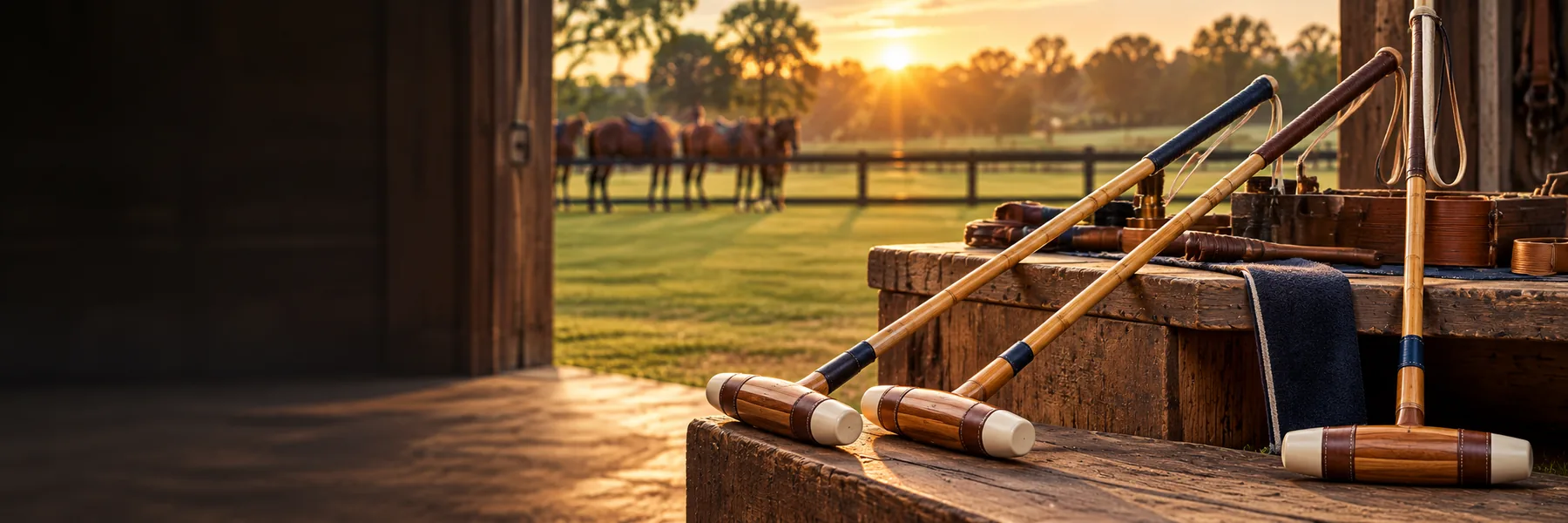
Shop polo mallets for match play, training and personalized setups. Our range covers varied lengths, weights, head profiles and grip finishes so players can compare options without confusing specialist polo mallets with field-hockey sticks or fashion products.
Designed in USA • Handmade • Full Customization Available
Read the complete polo mallets buying guide
Handmade Polo Mallets
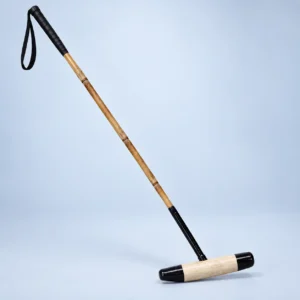
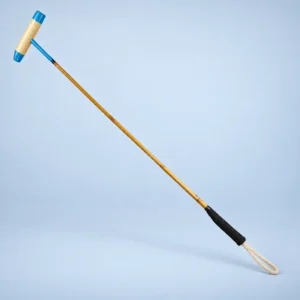
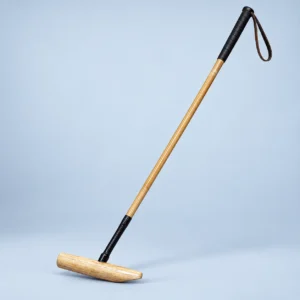
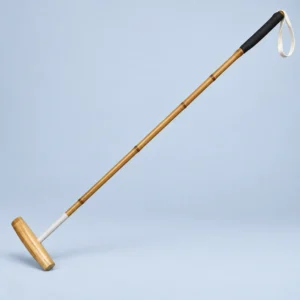
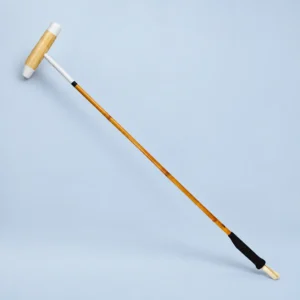
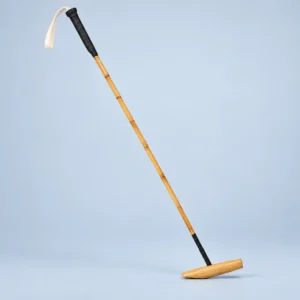
Selected models use natural cane shafts and traditional wooden heads, with hand-wrapped grips and balanced builds. Material terms such as Manau cane or Tipa wood appear only where the individual product record confirms them.
Choose Length, Weight and Flex
- Length: consider the player, pony and intended use; do not choose by height alone.
- Weight and balance: compare the listed options and the feel required for control through the swing.
- Grip: select a secure wrap and inspect it regularly for wear or looseness.
Custom Polo Mallets
Full customization is available on selected mallets, including model-dependent length, weight, flex, grip color and personalization choices. Confirm the specification before production. Browse polo gloves for grip support and polo saddles to complete the playing setup.
Polo Mallets FAQ
Is a polo mallet the same as a polo stick?
Players may use both terms, but “polo mallet” is the specialist product name used throughout this collection.
Can I order a personalized polo mallet?
Yes, where the product lists customization. Available choices vary by maker and model, so confirm the final specification before ordering.
Showing all 11 results

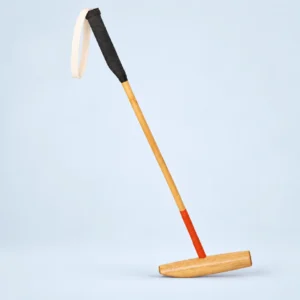
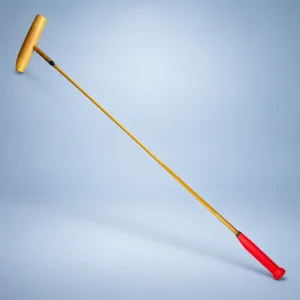
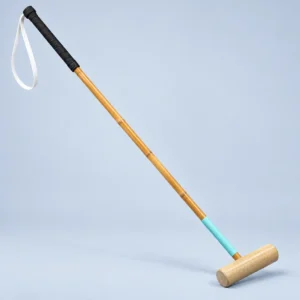

POLO EQUIPMENT BUYING GUIDE
How to Compare Polo Mallet Length, Weight and Balance
Polo mallet choice is a mounted decision. Length must work with the pony, rider position and swing path, while overall weight, head weight, shaft flex, grip diameter and balance affect timing and control.
Two mallets with the same listed length can feel different because the head, cane, grip and balance point differ. Use specifications to narrow the range, then evaluate feel in a safe mounted practice setting whenever possible.
Mallet variables that change feel
| Option | Useful when | Check before ordering |
|---|---|---|
| Length | Matching mounted reach to horse and rider | Do not select from standing height alone |
| Weight and balance | Adjusting swing tempo and head awareness | Total weight does not describe balance point by itself |
| Shaft flex and grip | Tuning feedback, timing and hand comfort | Flex preference, grip diameter, texture and sling security |
Polo mallet selection checklist
- Start with mounted reach on the pony or pony height normally played.
- Compare total weight and where the mallet feels weighted during the swing.
- Check the cane for straightness, soundness and suitable flex.
- Choose a grip diameter and texture that can be held securely without excessive tension.
- Inspect the head, sling and grip before every practice or match.
Mallet storage and inspection
Store mallets dry and supported so the cane is not left bent under load. Wipe away moisture, avoid prolonged heat, and inspect the head joint, cane, grip and sling frequently. Retire a mallet from play if cracks, loosening or damage could affect safe use.
Frequently Asked Questions About Polo Mallets
How do I choose polo mallet length?
Use mounted reach, pony height and normal riding position. Standing body height alone cannot determine the correct playing length.
Is a lighter polo mallet always easier to use?
Not necessarily. Weight distribution and balance can matter as much as total weight. A lighter mallet may still feel head-heavy or may not suit the preferred swing tempo.
What does shaft flex change?
Flex affects feedback and timing through the swing. Preference depends on player technique, mallet construction and playing conditions, so compare product specifications and practical feel.
When should a polo mallet be replaced?
Stop using it when the cane, head, grip or sling is cracked, loose or otherwise damaged. Inspect before play rather than waiting for a failure.